
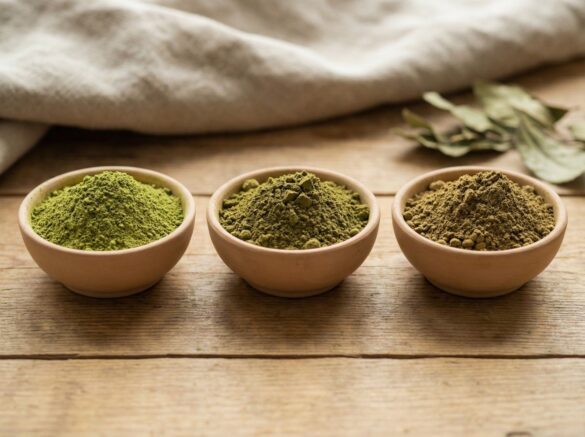
Henna Powder Color Guide: What Powder Shade Tells You About Quality
Henna powder color is one of the easiest ways to judge freshness and quality—if you know what to look for. This detailed guide explains how different henna powder shades form, what they indicate about processing and age, and how to use color as a reliable quality check before buying or mixing henna.
1) Why henna powder color matters
Henna is a plant-based powder, not a synthetic pigment. This means its color naturally reflects leaf freshness, drying method, milling time, and storage conditions. While brand names and packaging can be misleading, powder color often gives a more honest first impression.
Experienced henna artists and herbal buyers routinely check color before anything else because it offers immediate clues about how the henna might perform.
2) Natural color of pure henna powder
Fresh, pure henna powder made from Lawsonia inermis leaves typically appears:
- green to olive green
- slightly yellowish-green under sunlight
- matte, not glossy or artificial-looking
This color comes from natural chlorophyll and plant compounds present in properly dried leaves.
3) Green vs brown henna powder: what’s the difference?
Green / olive henna powder
- Often freshly milled or well-preserved
- Higher likelihood of strong dye release
- Smooth paste consistency
- Preferred by professional artists
Brownish or dull henna powder
- Usually older or oxidized
- May give weaker or slower stain
- Often stored too long or exposed to air
While brown henna is not always unusable, it generally signals reduced performance compared to fresher green powder.
4) Oxidation and aging: why color changes over time
Oxidation is a natural process where henna’s plant compounds react with oxygen. Over time, this causes:
- loss of green pigment
- shift toward brown or grey tones
- gradual reduction in staining power
Factors that speed up oxidation include heat, humidity, light exposure, and loose packaging.
5) How processing methods affect henna color
Color isn’t only about age—it’s also influenced by how henna leaves are processed.
- Overheating during drying can dull the green shade
- Rough milling may darken powder prematurely
- Poor filtration can mix stem particles, altering color
Careful shade-drying and controlled milling help preserve the natural green tone of henna powder.
6) Misleading colors & red flags
Not all “bright” or unusual colors indicate quality. Be cautious if henna powder appears:
- bright red or orange (often additives or dye)
- grey with chemical smell
- jet black powder (not natural henna)
Pure henna should never look artificially colored or smell perfumed.
7) Buyer’s color checklist (quick guide)
- Green to olive shade = generally positive sign
- Dull brown = possible aging
- Artificial brightness = avoid
- Earthy herbal smell supports visual check
8) FAQs
Does greener henna always mean better quality?
Not always, but it is often a strong indicator of freshness and proper storage. Color should be evaluated along with smell and texture.
Can brown henna still work?
Yes, but stain strength may be weaker compared to fresher green powder.
Is powder color more important than brand name?
In many cases, yes. Color offers direct insight into the plant material itself, while brand reputation cannot reverse oxidation or age.
Final thoughts
Understanding henna powder color empowers you to choose quality with confidence. When you know what different shades mean, you rely less on branding and more on real indicators of freshness and performance.
Learn more or explore authentic henna at HennahubStore.com, essential oils at HeenaStore.com, or manufacturing insights at Hennahub.in.