
Understanding Lawsone: The Natural Dye Molecule in Henna
Henna’s ability to stain skin and hair comes from a single natural dye molecule called lawsone. If you’ve ever wondered why henna produces rich brown stains, why the color develops slowly, or why natural henna never turns jet black, the answer lies in how lawsone works.
This in-depth guide explains what lawsone is, how it binds to skin and hair, what affects its strength, and why understanding lawsone is key to identifying high-quality henna powder.
1. What Is Lawsone?
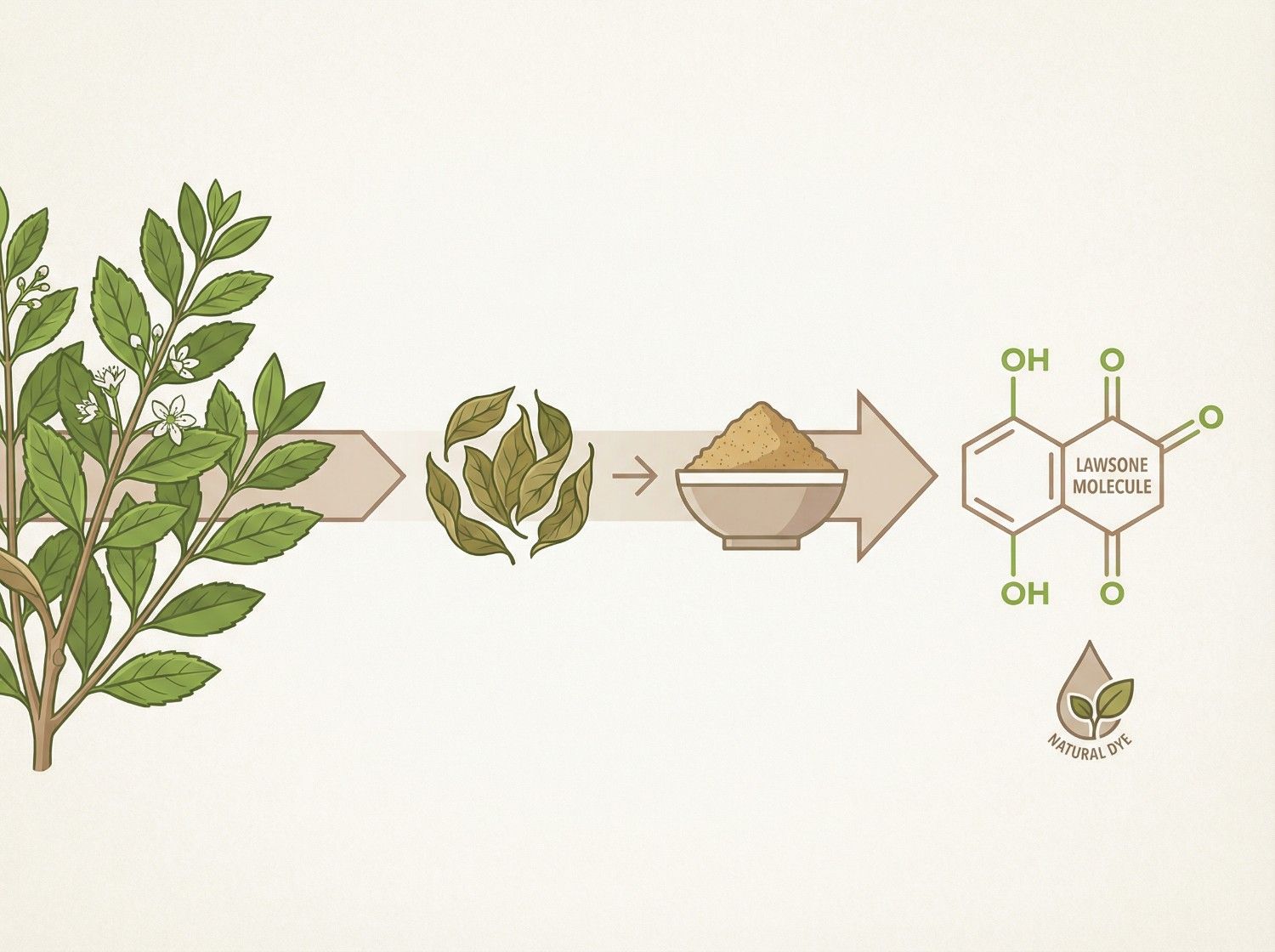
Lawsone is a naturally occurring dye molecule found in the leaves of the henna plant (Lawsonia inermis). Chemically, it is known as 2-hydroxy-1,4-naphthoquinone.
This molecule is responsible for henna’s coloring ability. When henna leaves are dried, powdered, and mixed into a paste, lawsone is released and becomes active.
2. Where Does Lawsone Come From in Henna?
Lawsone is naturally present in henna leaves. Its concentration depends on several factors:
- Henna plant variety
- Soil and climate conditions
- Maturity of leaves at harvest
- Drying and storage methods
Younger, well-grown leaves from suitable climates tend to contain higher lawsone levels, which usually results in stronger staining henna powder.
3. How Lawsone Binds to Skin and Hair
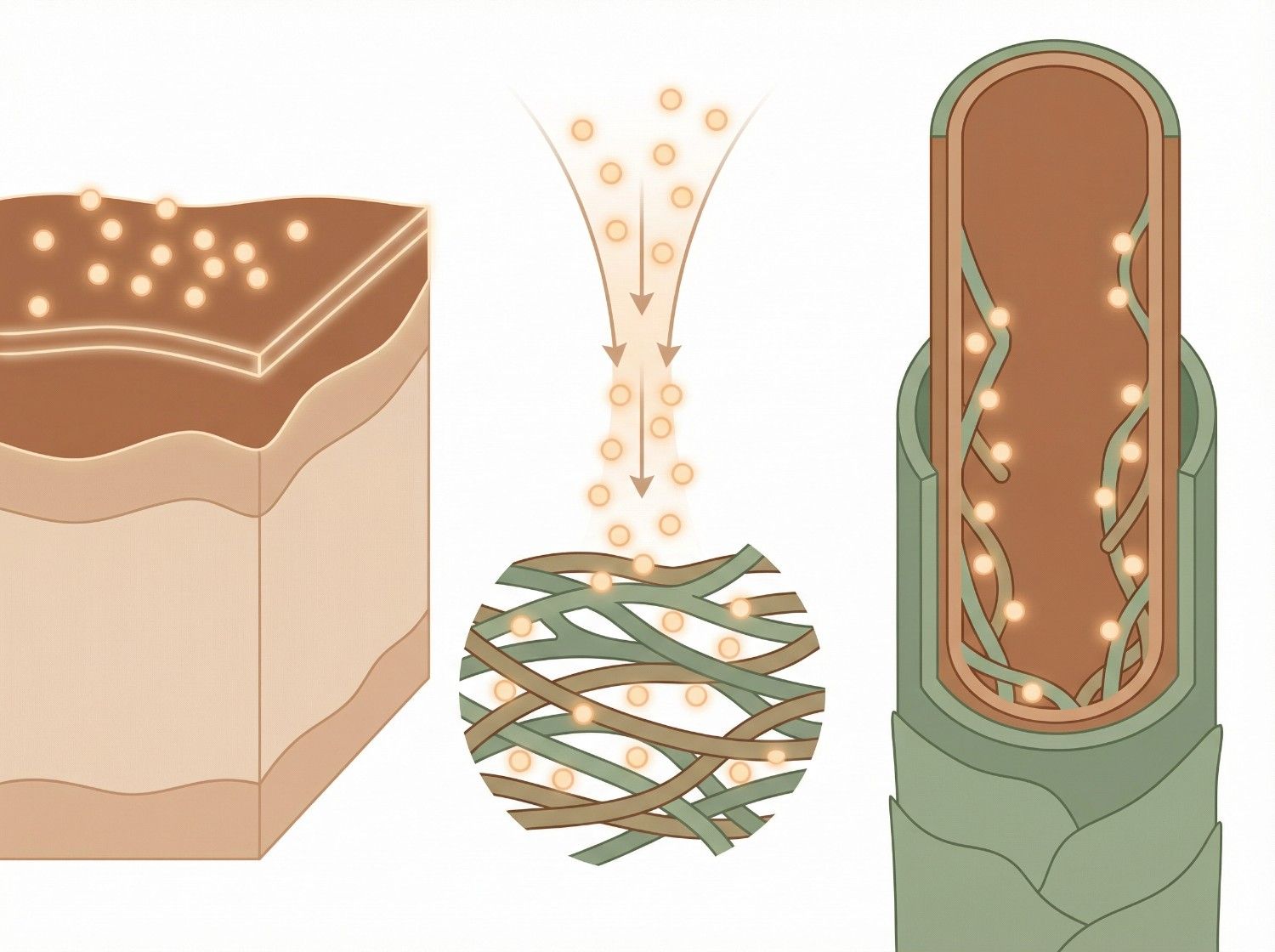
Lawsone works by binding with keratin, a protein found in the outer layers of skin and in hair strands. When henna paste is applied:
- Lawsone molecules migrate from the paste into the skin or hair
- They bind with keratin through a natural chemical interaction
- Oxidation occurs after paste removal, deepening the color
This process explains why henna stain does not appear instantly and why it continues to darken for up to 24–48 hours after application.
Why palms stain darker
Palms and soles contain higher keratin levels and thicker skin, allowing more lawsone molecules to bind. This is why henna stains are typically darker on hands and feet than on arms or legs.
4. Lawsone and Henna Color Range
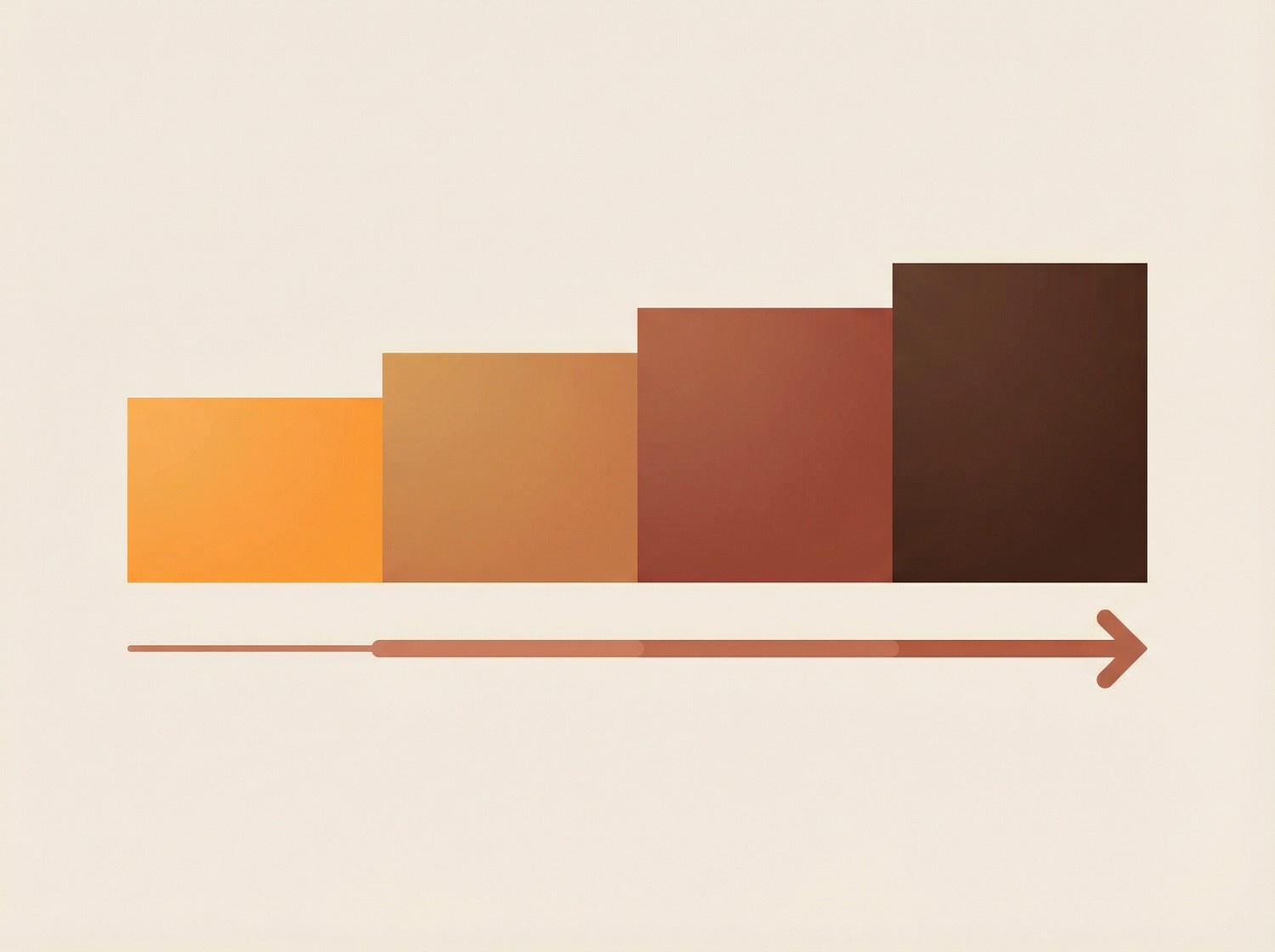
Lawsone naturally produces colors within a specific range. On skin, henna stain usually appears as:
- Orange immediately after paste removal
- Reddish-brown within a few hours
- Deep brown at peak oxidation (24–48 hours)
On hair, lawsone adds warm red-brown tones that interact with the existing hair color. This is why henna cannot create jet black color on its own.
5. What Affects Lawsone Strength in Henna Powder?
Not all henna powders perform the same. Lawsone availability and performance are influenced by:
A. Freshness
Over time, lawsone slowly degrades. Fresh henna powder usually releases dye better than old or poorly stored henna.
B. Storage Conditions
- Heat can reduce dye strength
- Humidity can cause clumping and quality loss
- Sealed, cool, dry storage preserves lawsone
C. Powder Fineness
Finely sifted henna allows better skin contact, improving lawsone transfer and stain depth.
D. Mixing and Dye Release
Lawsone needs time to release from henna powder. Applying paste too early often results in lighter stains.
6. Common Myths About Lawsone
Myth 1: Higher lawsone means instant black stain
Even high-lawsone henna follows natural stain timelines and color limits. Strong henna produces richer brown, not black.
Myth 2: Darker powder color means higher lawsone
Powder color alone is not a reliable indicator. Some fresh henna powders appear lighter green yet stain deeply.
Myth 3: Adding chemicals increases lawsone
Lawsone is plant-derived. Chemical additives do not increase natural lawsone content and may compromise safety.
7. Why Understanding Lawsone Matters for Buyers and Artists
Whether you are a henna artist, hair user, or conscious buyer, understanding lawsone helps you:
- Set realistic expectations about color results
- Identify authentic, plant-based henna
- Avoid misleading “instant color” claims
- Improve stain results through better technique
Many disappointments with henna come not from poor quality, but from misunderstanding how lawsone behaves.
Final Thoughts
Lawsone is the heart of henna’s beauty. This single natural molecule gives henna its unique ability to stain skin and hair safely, gradually, and naturally. By understanding lawsone, you gain a deeper appreciation for why authentic henna behaves the way it does—and why shortcuts and false claims should always be avoided.