
Single-Origin Henna Powder vs Mixed Batches: Which Is Better?
Not all henna powders behave the same—sometimes the difference is not the brand, but the batch strategy. In this complete guide, you’ll learn what “single-origin” henna means, why some suppliers blend batches, and which option is best for bridal mehandi, henna artists, and hair use.
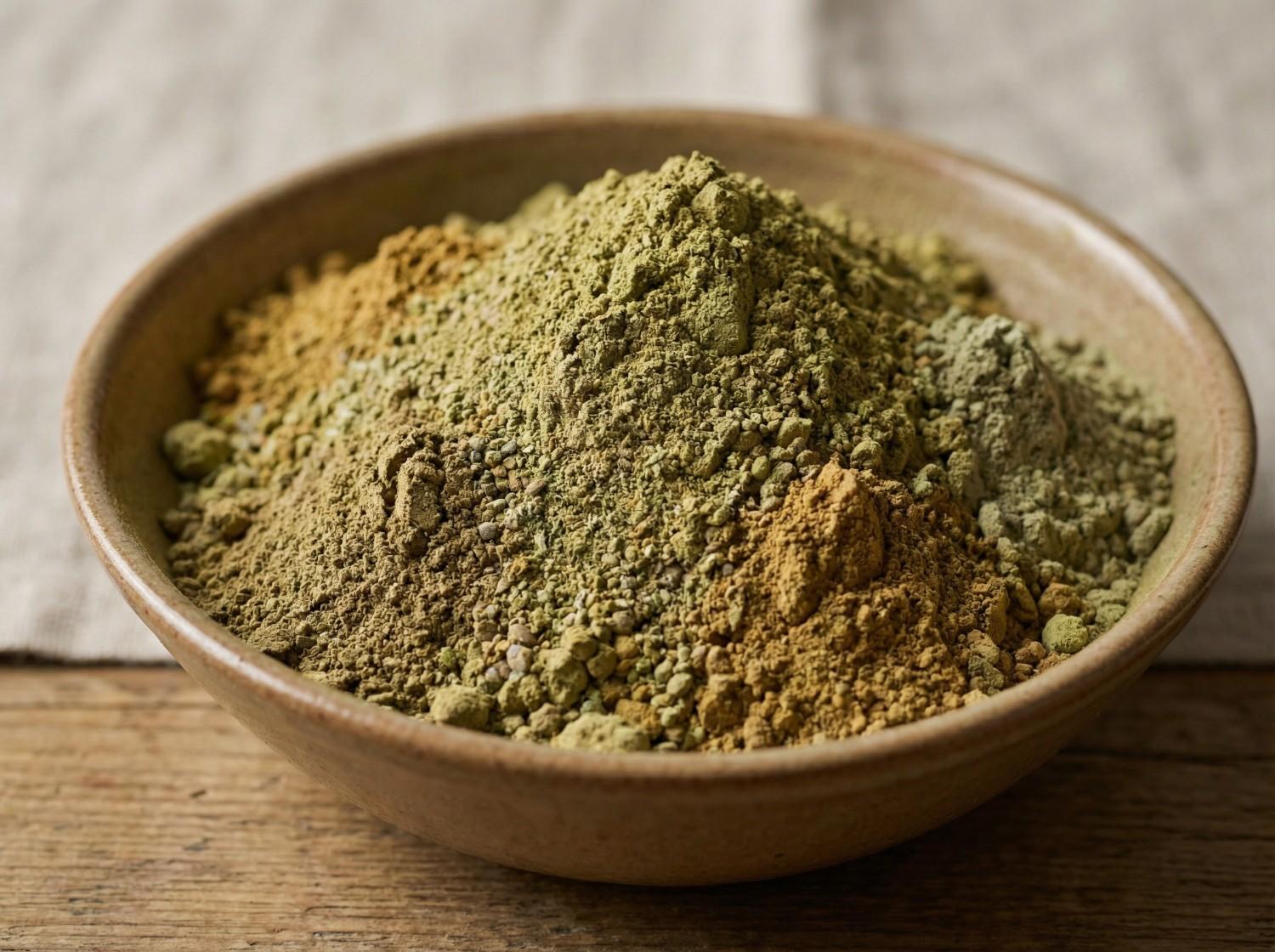
1) Definitions: what “single-origin” and “mixed batches” actually mean
Single-origin henna powder
Henna made from leaves sourced from one region (and sometimes one harvest lot) and processed as a distinct batch. The idea is to preserve that batch’s natural profile instead of blending it with other lots.
Mixed-batch (blended) henna
Henna powder made by combining multiple lots (different farms, harvest times, or seasons) to create a more stable, repeatable performance—especially for large-scale supply.
In reality, “single-origin” doesn’t automatically mean “best,” and “mixed batch” doesn’t automatically mean “low quality.” What matters is how well the batch is processed, filtered, stored, and tested for performance.
Important: Pure henna should be made from Lawsonia inermis leaves only—regardless of origin. If a product promises “instant black stain,” it is not traditional pure henna.
External reference (plant background): Lawsonia inermis
2) Why do brands mix henna batches?
Blending exists in many natural industries (tea, coffee, spices) for a simple reason: nature is variable. Weather, soil, harvest timing, drying conditions, and storage can all change the final performance.
Most common reasons for blending
- Consistency: artists want similar paste behavior and stain across orders
- Stain balancing: combining lots can stabilize dye-release and depth
- Texture control: blending fine + slightly coarse lots, then re-sieving, can improve flow
- Supply stability: brands serving multiple markets need steady volume
- Seasonal variability: some harvests perform differently depending on climate
A responsible blender mixes with a goal (stain consistency + smooth paste), then validates results. A careless blender mixes to reduce cost—without checking performance.
3) Pros & cons: single-origin vs mixed batches (honest comparison)
Single-origin: benefits
- Traceability: easier to document where it came from
- Signature performance: one lot can be exceptionally strong
- Story & authenticity: buyers like clear origin stories
- Ideal for small-batch artists: if you test and love a lot, it’s “your formula”
Single-origin: limitations
- Variability: next lot may behave differently
- Availability: one-origin supply can run out quickly
- Requires more testing: artists may need to adjust recipes each lot
Mixed batches: benefits
- Repeatability: paste/stain behaves similarly across orders
- Better for large teams: salons and bridal teams need predictable results
- Stable supply: suitable for export and high-volume markets
- Controlled texture: blending + filtration can improve smoothness
Mixed batches: limitations
- Traceability can be weaker: origin story becomes broader
- Quality depends on blending ethics: not all blending is done responsibly
- May feel “less special”: some buyers prefer single-lot uniqueness
Bottom line: The best henna is the one that is pure, fresh, finely filtered, well stored, and tested for stain performance—whether it’s single-origin or blended.
4) Which is better for you? (artists, bridal, hair)
For bridal mehandi (deep stain + reliable timing)
Brides usually want a predictable stain timeline, clean lines, and a deep result. In many cases, a well-formulated mixed batch can be easier because it’s designed for consistency. But a very strong single-origin lot can also be excellent—if tested ahead of the wedding.
- Choose predictability if the event is time-sensitive
- Prefer fine filtration for smooth lines and cone flow
- Test a small batch 7–10 days before the event
For professional henna artists (cone flow + stain control)
Artists care about paste texture, dye release, stain depth, and consistency across multiple clients. If you work daily, a stable blended batch often reduces surprises. If you are a boutique artist who loves customizing paste, single-origin can be a creative advantage.
If you change your henna source, treat it like changing flour in baking: adjust liquid slowly and rest time based on your environment.
For hair use (tone, coverage, and repeat results)
For hair, people usually care about getting similar shade results every time. Here, a consistent batch strategy matters. If your hair routine depends on repeat outcomes, a well-controlled mixed batch may be easier for long-term usage.
- For repeat shade: prioritize consistent quality + freshness
- For sensitive scalp: prioritize pure leaf-only henna with clean processing
- For routine mixing: match with herbs (amla, bhringraj) for your goals
5) What matters more than the origin label
“Single-origin” is a nice label, but these factors influence your results more directly:
A) Freshness (the most underrated factor)
Fresh henna typically releases dye better than old stock. If a product has been stored in heat or humidity, even “premium origin” won’t help much.
B) Filtration / sift level
Fine, well-sifted henna creates smoother paste. For artists, this can mean: better cone flow, cleaner lines, and more even stain.
C) Storage & packaging integrity
- Moisture protection prevents clumping and loss of freshness
- Sealed packs reduce odor absorption
- Cool/dry storage protects performance
D) Honest safety positioning
Traditional pure henna is not “instant black.” Be cautious with products making extreme claims.
External educational reference often cited for “black henna” risk awareness: DermNet: Black henna tattoo
Looking for authentic henna and hair herbs? Explore: HennahubStore.com (pure henna + Ayurvedic powders) and our sourcing overview at Hennahub.in.
6) Simple tests you can do at home (no lab needed)
Test 1: Smell + texture check
- Smell: earthy/green/herbal is normal. Overpowering perfume is a sign to be careful.
- Texture: rub between fingers—fine feels smooth, coarse feels gritty.
Test 2: Quick paste behavior test
Make a small paste using a consistent method. Then observe:
- How quickly it becomes smooth (less lumps = better grind)
- Whether it cracks quickly after drying on skin (too dry mix or coarse powder can crack)
- Whether it stains gradually (traditional behavior) vs “instant color” (red flag)
Test 3: Stain timeline test
Apply a small dot on palm-side skin for a controlled test. Remove after a reasonable time and check the color after: 2 hours, 12 hours, 24 hours. This reveals whether the powder is performing naturally and consistently.
If you’re an artist, keep a small notebook: batch name, mix ratio, resting time, weather/temperature, stain outcome. This makes single-origin or blended batches easier to manage.
7) Buyer checklist: what to ask a supplier (single-origin or blended)
Instead of focusing only on “origin,” ask these questions:
- Is it 100% Lawsonia inermis leaf powder? (no additives)
- What is the production/packing month? (freshness matters)
- How is it sifted/filtered? (for smooth paste)
- How should it be stored? (supplier should guide clearly)
- Does the supplier support consistent re-order performance?
- Can they provide basic documentation? (COA/MSDS where relevant)
For manufacturing, sourcing, and bulk requirements, you can refer to our company overview at Hennahub.in.
8) FAQs
Is single-origin henna always stronger?
Not always. One single-origin lot can be excellent, but another can be average depending on harvest conditions, drying, and storage. Strength depends more on freshness, leaf quality, and processing than origin alone.
Is blended henna a sign of lower quality?
No. Blending can be done responsibly to achieve consistent performance. The key is whether the brand validates the blend for paste texture and stain results—rather than blending only to reduce cost.
Which is better for bridal mehandi?
For time-sensitive events, consistency is valuable. Many artists prefer stable batches that behave predictably. If using a single-origin lot, test in advance to confirm stain timeline and paste behavior.
What should I prioritize when buying henna powder online?
Prioritize: purity (leaf-only), freshness, fine sift/filtration, and proper storage/packaging. Origin is helpful, but it’s not the only quality signal.
Where can I find authentic henna and supporting hair herbs?
You can explore pure henna and Ayurvedic powders at HennahubStore.com. For professional oils used in mehandi routines, visit HeenaStore.com.
Soft recommendations (choose what fits your routine)
Whether you prefer single-origin or blended batches, start with authentic, fresh, leaf-only henna and build a simple routine.
→ Shop pure henna & herbal powders (HennahubStore.com)
→ Explore essential oils for mehandi routines (HeenaStore.com)
→ Manufacturing & sourcing overview (Hennahub.in)
Tip: If you’re an artist, standardize your mix method so you can compare batches fairly.